
Showing posts with label Landscape Photography. Show all posts
Showing posts with label Landscape Photography. Show all posts
Sunday, May 4, 2014


Sunday, December 29, 2013
Ower glass" Lower Antelope Canyon by Chelsea Stark www.chelseastarkphotography.com
Via Flickr:
The Navajo name for Lower Antelope Canyon is Hasdeztwazi or "Spiral Rock Arches." Many years ago, herds of Pronghorn Antelope roamed freely in and around the canyon, which explains the English name.
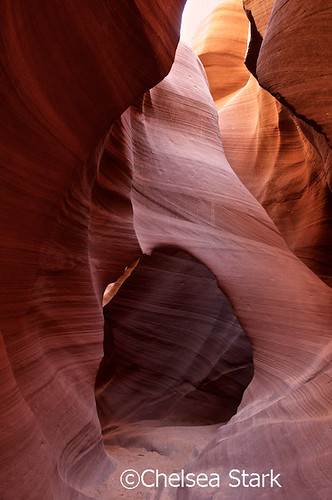
The Navajo name for Lower Antelope Canyon is Hasdeztwazi or "Spiral Rock Arches." Many years ago, herds of Pronghorn Antelope roamed freely in and around the canyon, which explains the English name.
Sunday, December 15, 2013
Eagle Head" By Blind photographer Chelsea Stark www.chelseastarkphotography.com
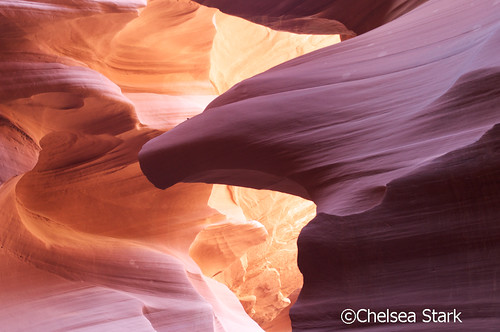
Eagle Head"© Chelsea Stark http://www.chelseastarkphotography.com, a photo by chelseastarkphotography.com on Flickr.
This incredible canyon has been created over many thousands of years by the relentless forces of water and wind, slowly carving and sculpting the sandstone into forms, textures, and shapes which we observe today.
Sunday, September 8, 2013
Merced" Yosemite National Park
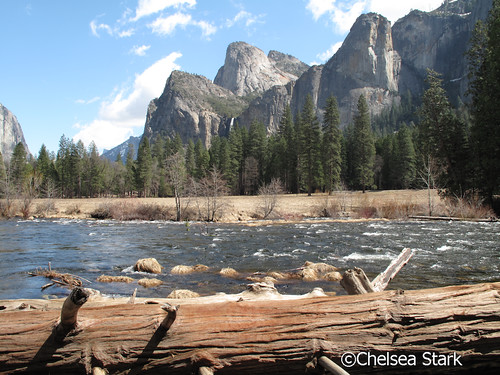
First protected in 1864, Yosemite National Park is best known for its waterfalls, but within its nearly 1,200 square miles, you can find deep valleys, grand meadows, ancient giant sequoias, a vast wilderness area, and much more.
Sunday, September 1, 2013
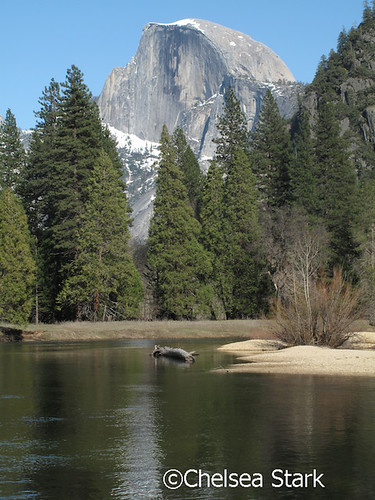
Half Dome 2" Yosemite National Park
Half Dome is a granite dome in Yosemite National Park, located in northeastern Mariposa County, California, at the eastern end of Yosemite Valley — possibly Yosemite's most familiar rock formation. The granite crest rises more than 4,737 ft (1,444 m) above the valley floor.
Sunday, August 18, 2013
Great white throne" ,Zion National Park, ChelseaStarkhttp://www.chelseastarkphotography.com
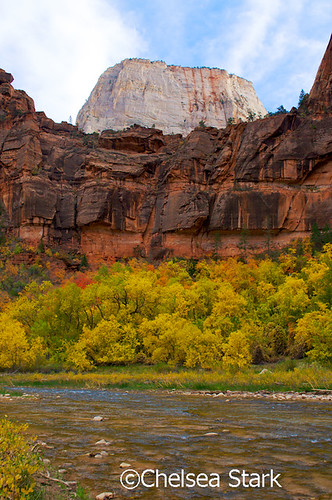
Great white throne" ,Zion National Park, ChelseaStark http://www.chelseastarkphotography.com, a photo by chelseastarkphotography.com on Flickr.
The Great White Throne is a highlight of Zion National Park, itself a world-class showplace of sandstone. The whole edifice consists of the Navajo Sandstone, one of the world's largest sandstone bodies. One of the striking things about the Great White Throne is that while its top is white, its base is red. It is thought that once upon a time the Navajo was a supergiant-class reservoir of petroleum. As the sandstone began to be exposed through erosion, however, the oil and gas escaped, along the way erasing the red sandstone pigments through chemical reduction. This would have been during Cretaceous time, when the atmosphere was extremely high in carbon dioxide compared to today. Whether the massive oxidation of the Navajo oil reservoir and others like it influenced the global atmosphere is an intriguing research problem.
Sunday, August 11, 2013
Sunday, June 23, 2013
Snow Canyon " Snow Canyon State Park

Summers are hot with low temperatures in the low 80 degrees Fahrenheit to high temperatures over 105 °F (41 °C). Winters can range from lows in the mid 20 degrees Fahrenheit to highs in the 60 degrees Fahrenheit ranges.
Sunday, June 16, 2013
Sunday, May 12, 2013
Golden Gate Bridge A black and white
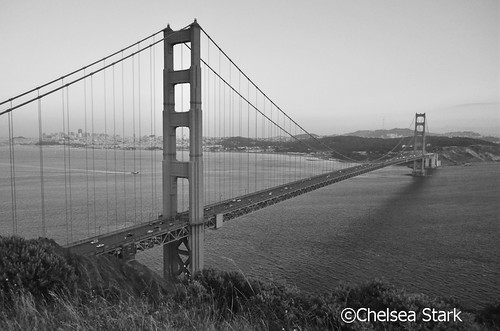
A black and white of the Golden Gate bridge. The Golden Gate bridge is one of the most famous and beautiful bridges in the world because of its spectacular location, graceful lines, Art Deco detailing, and emblematic color. With towers extending 700 feet into the sky and over 100 feet beneath the bay, the bridge is also an engineering marvel.
Sunday, March 10, 2013
Zion National Park
Sunday, February 17, 2013
Great white throne" ,Zion National Park
Via Flickr:
Sunday, January 13, 2013
Sunday, December 30, 2012
Sunday, December 23, 2012
Sunday, December 9, 2012
Sunday, December 2, 2012
Sunday, November 18, 2012
Sunday, November 11, 2012
Marmot " A Yellow-bellied marmot
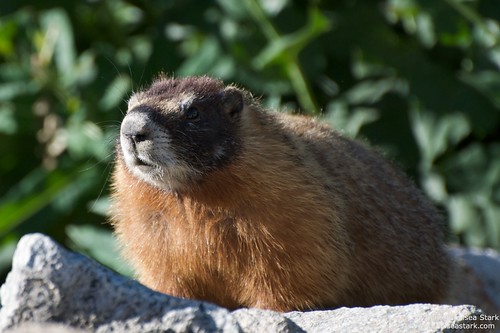
Yellow-bellied marmots generally live in moderately warm, dry habitats at low to mid elevations. They are found in many different habitats, including semi-desert, woodland and forest openings, and the alpine zone. Those that live further south live at higher elevations. For example, in the White Mountains of California they are found only above 2000 m. Moreover, because of absence from valleys, southern populations are isolated from one other, forming isolated populations. It can be inferred that the presence of hoary marmots inhibit the distribution of yellow-bellied marmots in certain high elevation areas, as both occupy subalpine and alpine areas. Yellow-bellied marmots inhabit vegetated fortified slopes or rock outcrops in meadows, which serve as support for the burrows that they reside in, as well as sunning and observation posts. The main entrance of burrow, which they dig themselves, is usually about 0.6 m deep into the ground, and extends about 3.8 to 4.4 m horizontally into the hillside. Many short tunnels branch from main passageway, sometimes connecting to other burrows. Burrows stay relatively stable and thus serve as preferable places to raise young, hibernate, and hide from potential predators.
Sunday, September 2, 2012
Subscribe to:
Comments (Atom)